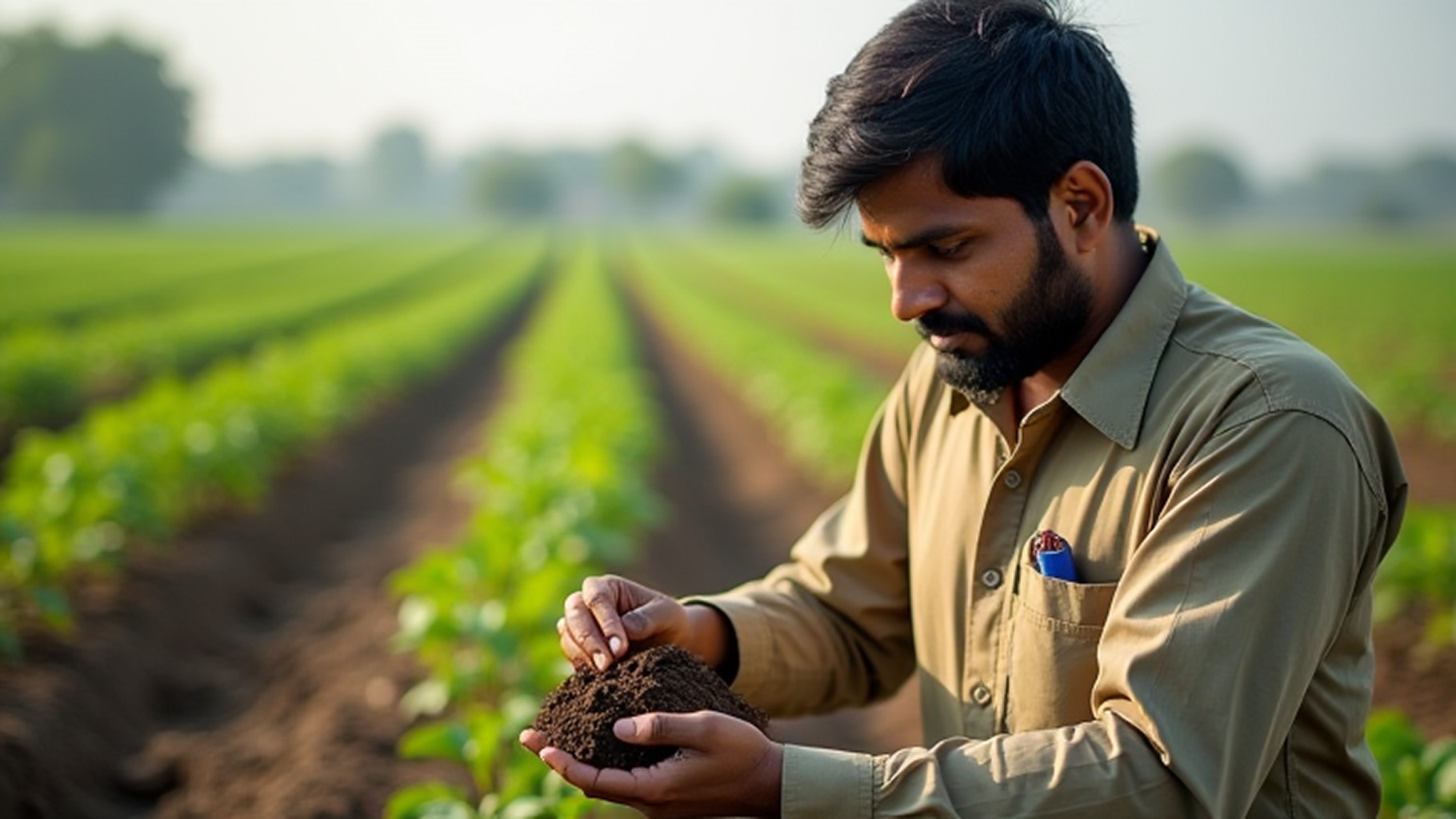
Soil Scientist
a guide to: Career
What is Soil Scientist?
Soil scientists study the physical, chemical, and biological properties of soil. They analyze soil composition, fertility, and structure to understand its suitability for various uses, like agriculture, construction, and environmental management. Their work informs land use decisions and helps optimize soil health and productivity.
Why is Soil Scientist Important?
Soil scientists are crucial for sustainable land management and food security. They provide vital insights into soil health, enabling optimized agricultural practices, environmental protection, and infrastructure development. Their expertise helps ensure the long-term productivity and health of our lands.
- Food Production:
- Soil scientists help improve soil fertility and manage nutrients for increased crop yields.
- Environmental Protection:
- They assess soil contamination and develop remediation strategies to protect ecosystems.
- Infrastructure Development:
- Their soil analysis informs construction and engineering projects for stability and safety.
- Resource Management:
- They contribute to sustainable land use planning and conservation efforts.

Education Pathways
Option 01
Option 02
Option 03
Stream

Important Subjects
| # | Subject |
|---|---|
| 1 | Soil Chemistry: Study of soil composition and chemical processes. |
| 2 | Soil Physics: Understanding soil structure, texture, and water movement. |
| 3 | Soil Fertility: Managing nutrients for healthy plant growth. |
| 4 | Soil Microbiology: Study of soil organisms and their role in soil health. |
| 5 | Environmental Science: Impact of soils on ecosystems and climate. |
| 6 | Agricultural Science: Application of soil science in crop production. |
| 7 | Soil Conservation: Techniques to prevent soil erosion and degradation. |
| 8 | Land Reclamation: Restoring disturbed or polluted land. |
| 9 | Geology: Understanding rock and mineral composition related to soils. |
| 10 | Hydrology: Study of water movement in soils and its management. |
| 11 | Plant Nutrition: Interactions between soil and plant nutrient uptake. |
| 12 | Ecology: Relationships between soil, plants, and the environment. |
Where to study?
Career Progression for a Soil Scientist
Entry-Level Positions
Job Role:
- Soil Technician
- Junior Soil Scientist
- Research Assistant
Education Required:
- Bachelor’s degree in Soil Science, Agricultural Science, or Environmental Science.
Mid-Level Positions:
Job Role:
- Soil Scientist
- Soil Conservationist
- Agricultural Extension Officer
Education Required:
- Master's degree in Soil Science or Agricultural Chemistry.
Senior-Level Positions:
Job Role:
- Senior Soil Scientist
- Soil Research Scientist,
- Soil Management Consultant
Education Required:
- Ph.D. in Soil Science or a related field, with specialization in areas such as soil fertility, land reclamation, or soil ecology.
Executive/Consultant Roles:
Job Role:
- Soil Science Consultant
- Environmental Consultant
- Director of Soil Science
- Research Director
Education Required:
- Ph.D. in Soil Science, with additional certifications in project management, environmental policy, or agronomy.
Expected Salary
Entry-Level
- ₹3 - ₹5 LPA
Mid-Level
- ₹6 - ₹12 LPA
Senior-Level
- ₹15 - ₹30 LPA
Advanced-Level
- ₹30 - ₹60 LPA
International
Entry Level
- $25,000 - $45,000 per annum
Mid/Senior Level
- $45,000 - $120,000 per annum
Sectors Offering
- Agricultural Sector
- Environmental and Ecological Consulting
- Research and Academia
- Government Agencies and NGOs
- Land and Water Management
- Environmental Impact Assessment (EIA)
- Forestry and Natural Resource Management
- Soil Testing Laboratories
- Water Management and Irrigation Systems
- Commercial Agriculture and Agribusiness
- Mining and Land Reclamation
- International Development and Aid
- Agricultural Technology and Innovation
Design by Find Right Path