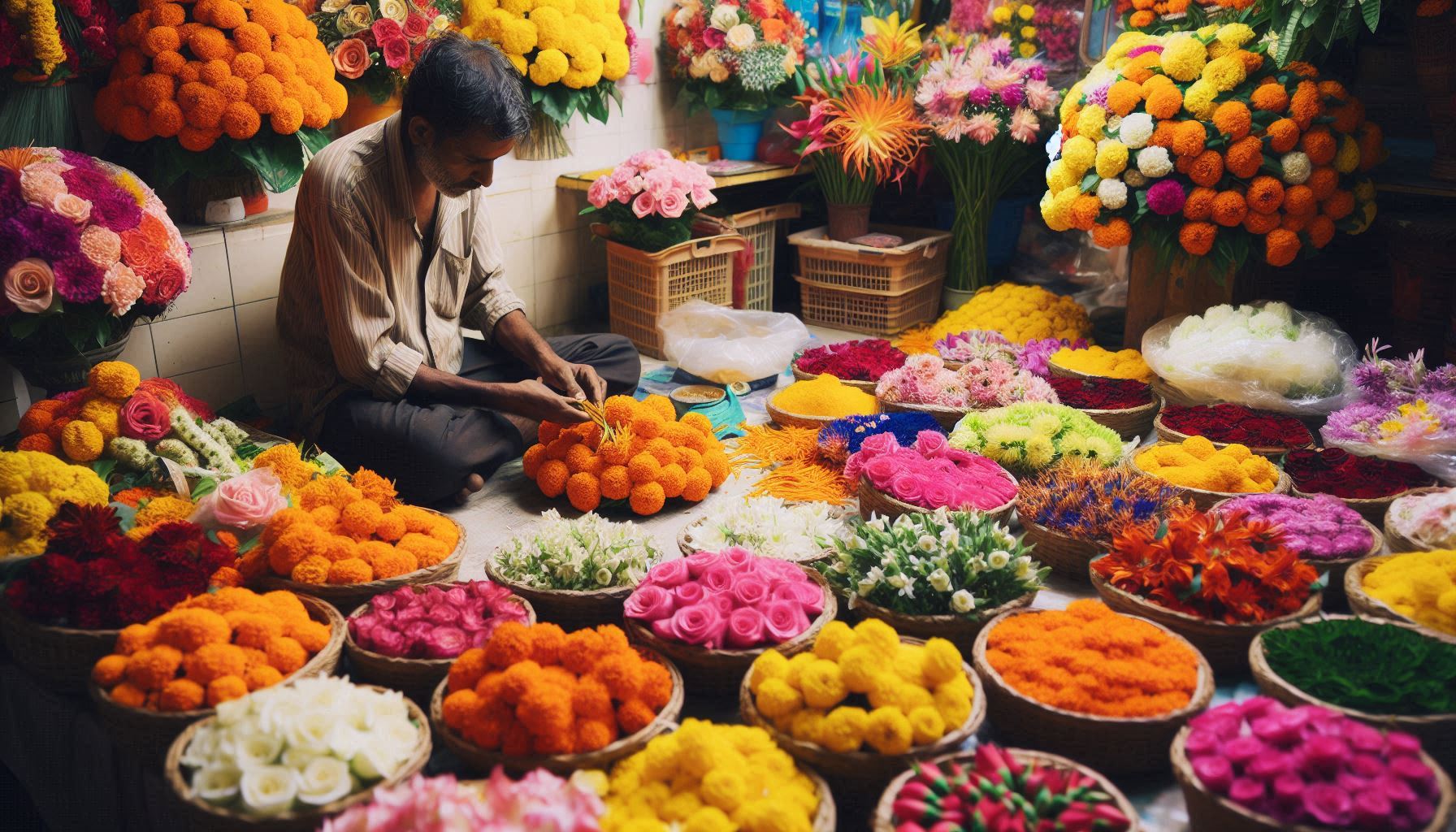
Florist
a guide to: Career
What is Florist?
A Florist is a professional who specializes in designing and arranging flowers for various occasions such as weddings, parties, and funerals. They also sell flowers, plants, and related products, providing expert advice on floral arrangements and plant care for customers.
Why is Florist Important?
A Florist plays a vital role in transforming spaces and events through beautiful floral arrangements. They help convey emotions, celebrate special moments, and enhance the ambiance with their creativity and expertise in flower selection and design.
- Emotional Expression:
- Florists help convey feelings and messages through flowers.
- Aesthetic Value:
- They enhance the visual appeal of events and spaces.
- Expertise:
- Florists have knowledge of different flowers and their care.
- Event Enhancement:
- Florists create personalized arrangements for various occasions.

Education Pathways
Option 01
Option 02
Option 03
Stream

Important Subjects
| # | Subject |
|---|---|
| 1 | Plant Science: Botany, plant identification, care, and propagation. |
| 2 | Floral Design Principles: Color theory, form, texture, balance, and arrangement techniques. |
| 3 | Flower Handling & Care: Proper storage, handling, and conditioning of fresh flowers. |
| 4 | Floral Mechanics: Techniques for wiring, taping, and creating floral foundations. |
| 5 | Event Floral Design: Weddings, parties, corporate events, and special occasion designs. |
| 6 | Business & Marketing: Customer service, sales, inventory management, and business planning. |
| 7 | Floral Preservation: Techniques for drying, pressing, and preserving flowers. |
| 8 | Horticulture: Basic gardening skills, plant care, and greenhouse management. |
| 9 | Visual Merchandising: Displaying flowers attractively in shops and for events. |
| 10 | Computer Skills: Design software, inventory management, and online marketing. |
| 11 | Customer Service: Building relationships, understanding customer needs, and providing excellent service. |
| 12 | Communication & Interpersonal Skills: Effective communication, teamwork, and problem-solving. |
Career Progression for a Florist
Entry-Level Role: Florist Assistant / Junior Florist
Job Role:
- You will assist senior florists with flower arrangement preparation, cutting and trimming flowers, handling customer orders, and maintaining the shop.
- Learning the basics of flower care, arrangement design, and customer service.
Education Required:
- A basic certification or diploma in floristry or floral design is often beneficial, though some people start with no formal education and learn on the job.
- Some may choose to take short-term courses at local floristry schools.
Florist / Floral Designer
Job Role:
- Responsible for creating floral arrangements for various occasions, from weddings to corporate events.
- Interacting directly with clients to design custom arrangements that fit their preferences.
- Managing flower inventory and ensuring the quality of flowers.
- Some florists also handle the shop's finances, marketing, and sales.
Education Required:
- Completion of a professional floristry course (diploma or certification).
- Experience in flower arrangement and customer service.
- Knowledge of color theory, design principles, and flower types.
Wedding & Event Florist / Floral Event Designer
Job Role:
- Specializes in designing floral arrangements for weddings, corporate events, and high-profile occasions.
- Works closely with event planners and clients to match floral designs with the event’s theme and budget.
- You’ll manage larger installations, including large centerpieces, entrance decor, and floral walls.
Education:
- Advanced training in floral design, wedding floristry, or event planning.
- Specialized courses or experience in event management can help.
Floral Shop Manager
Job Role:
- Overseeing daily operations of a flower shop, including managing staff, inventory, and customer relations.
- Handling logistics, ensuring timely deliveries, managing vendor relationships, and creating floral designs.
- Managing finances, sales, and marketing for the shop.
Education Required:
- A degree or diploma in business management, along with floristry training.
- Management experience is crucial, especially for handling a team and business operations.
Florist Entrepreneur (Floral Shop Owner)
Job Role:
- Owning and managing your own flower shop or floral design business.
- You’ll be responsible for sourcing flowers, managing finances, building relationships with clients, and setting up marketing strategies.
- Many florists start their own business after gaining experience working for others.
Education Required:
- Floristry certifications and advanced knowledge of floral design.
- Strong understanding of business operations, marketing, and finance is crucial.
- Many florists choose to take a course in business management or entrepreneurship.
Expected Salary
Entry-Level
- ₹1.8 – ₹3.0 LPA
Mid-Level
- ₹3.0– ₹4.8 LPA
Senior-Level
- ₹4.8 – ₹8.4 LPA
Advanced-Level
- ₹4.2 – ₹12.0 LPA
International
Entry Level
- $1,500 – $4,500 per month
Mid/Senior Level
- $4,000 – $7,000+ per month
Sectors Offering
- Retail Floristry
- Event Floristry
- Interior Design and Architecture
- Floriculture and Horticulture
- Design and Education
- Luxury Floristry
- Sustainability and Eco-Friendly Floristry
- Corporate and Hospitality Floristry
- Floral Therapy and Wellness
- Media and Publications
- Floral Exhibitions and Competitions
Design by Find Right Path