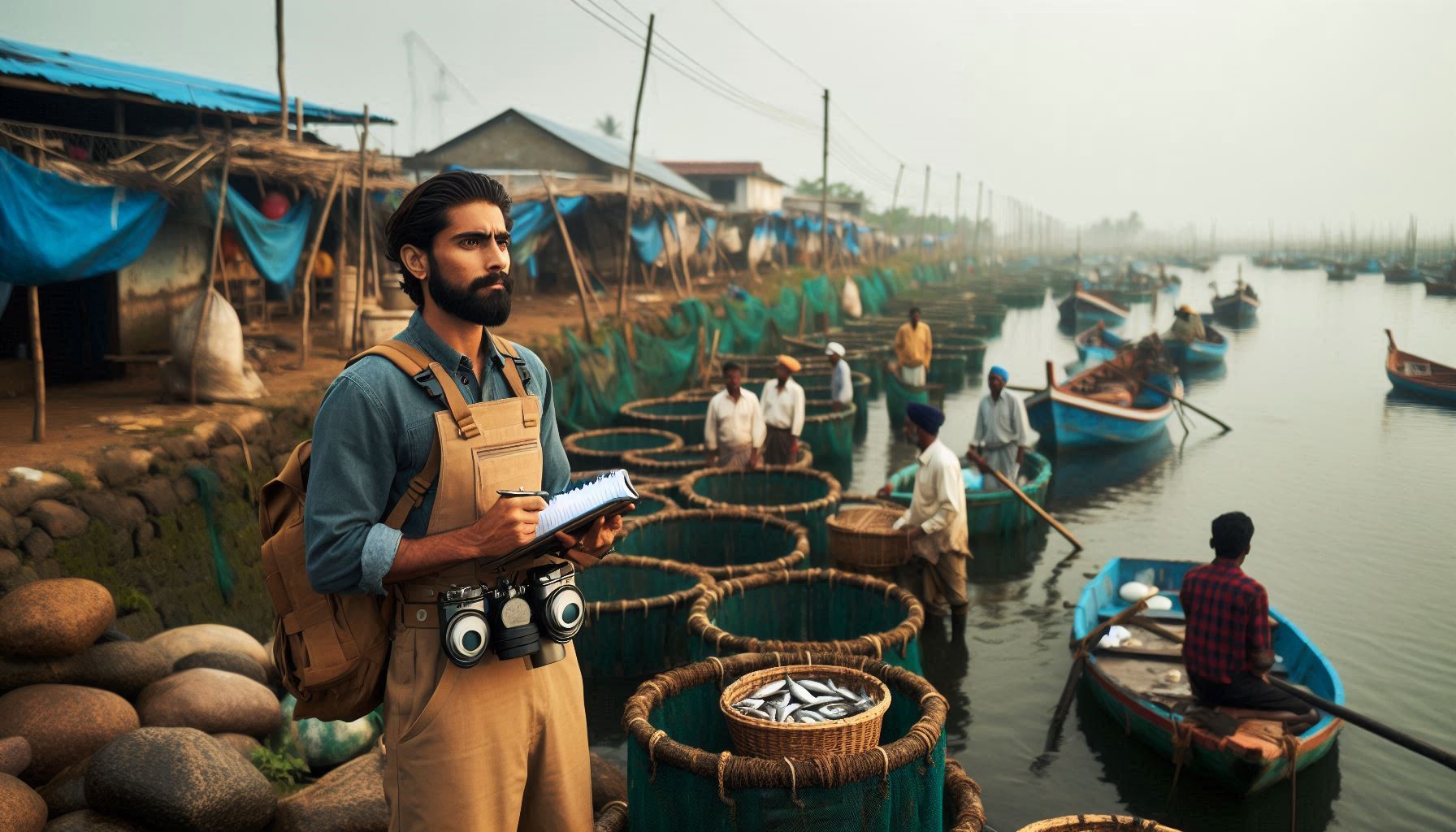
Fisheries Development Officer
a guide to: Career
What is Fisheries Development Officer?
A Fisheries Development Officer plans and implements projects to improve fish production and management. They work to enhance fish harvesting, processing, and marketing practices, often providing guidance and support to fishing communities and businesses.
Why is Fisheries Development Officer Important?
Fisheries Development Officers are vital for maintaining healthy and productive aquatic ecosystems. They work to balance economic needs with environmental sustainability, ensuring the long-term health of fish populations and the livelihoods of those dependent on them.
- Promoting sustainable practices:
- They encourage responsible fishing methods to prevent overfishing and habitat destruction.
- Supporting economic growth:
- They help fishing communities thrive by improving market access and developing new fishing opportunities.
- Ensuring food security:
- They work to optimize fish production, making seafood a reliable source of nutrition.
- Protecting aquatic resources:
- They implement conservation strategies to safeguard biodiversity and maintain healthy aquatic ecosystems.

Education Pathways
Option 01
Option 02
Option 03
Stream

Important Subjects
| # | Subject |
|---|---|
| 1 | Food Safety: Hygiene and contamination prevention. |
| 2 | Marine Biology: Understanding fish species and ecosystems. |
| 3 | Chemistry: Seafood properties, preservation, and spoilage. |
| 4 | Food Processing Techniques: Methods like freezing, smoking, and packaging. |
| 5 | Nutrition: Nutritional value and healthy options. |
| 6 | Quality Control: Ensuring product freshness and safety. |
| 7 | Sustainability Practices: Environmentally responsible fishing and processing. |
| 8 | Biotechnology: Advancements in seafood processing techniques. |
| 9 | Machinery and Equipment Operation: Handling processing tools and machines. |
| 10 | Logistics and Supply Chain: Managing raw materials and distribution. |
| 11 | Food Laws and Regulations: Compliance with health and safety standards. |
| 12 | Environmental Impact and Waste Management: Reducing waste and promoting sustainability. |
Where to study?
Career Progression for a Farmer
Entry-Level Positions
Job Title:
- Fish Processor
- Seafood Preparer
- Quality Control Assistant
- Packaging Worker
Skills Required:
- Skills required for entry-level seafood processing include handling and filleting seafood, attention to quality and freshness, food safety knowledge, manual dexterity for using tools, physical stamina, and the ability to work well in teams.
Education:
- High school diploma, vocational training in seafood processing, or a certificate course in food safety or processing.
Mid-Level Positions (2-5 years)
Job Title:
- Senior Fish Processor
- Production Supervisor
- Quality Control Officer
- Processing Technician
Skills Required:
- Skills required include advanced seafood processing techniques (freezing, smoking, curing), supervisory abilities, problem-solving for production issues, quality assurance, in-depth knowledge of health and safety standards, and proficiency with processing machinery.
Education:
- Associate degree or diploma in food science, seafood technology, or fisheries management.
Senior/Technical Positions (5-10 years)
Job Title:
- Plant Manager
- Quality Assurance Manager
- Seafood Processing Technologist
- Production Manager
Skills Required:
- Skills required include leadership, advanced quality control (e.g., HACCP), project management, process optimization, cost management, and effective supply chain coordination to improve efficiency, reduce costs, and ensure product quality.
Education:
- Bachelor’s degree in fisheries science, food technology, or related fields. Additional certifications in quality assurance and management can be beneficial.
Managerial and Leadership Roles (10+ years)
Job Title:
- Operations Manager
- Factory Head
- Director of Seafood Processing
Skills Required:
- Skills required include strategic planning, financial management, regulatory compliance, risk management, negotiation, communication, and implementing sustainable practices to ensure growth, profitability, and adherence to environmental and industry standards.
Education:
- Master’s degree in business administration (MBA), food technology, or fisheries management. Specializations in operations or strategic management can be advantageous.
Expected Salary
Entry-Level
- ₹1.5 – ₹2.4 LPA
Mid-Level
- ₹2.4 – ₹4.2 LPA
Senior-Level
- ₹4.2 – ₹7.2 LPA
Advanced-Level
- ₹7.2 – ₹12.0 LPA
International
Entry Level
- $1,500 - $2,500 per month
Mid/Senior Level
- $2,500 - $12,000+ per month
Sectors Offering
- Seafood Processing Plants
- Aquaculture Farms
- Food Retail and Supermarkets
- Catering and Food Service
- Research and Development
- Export/Import Companies
- Fisheries and Fisheries Management
- Sustainability and Environmental Agencies
- Consulting Firms
- Packaging and Cold Storage
Design by Find Right Path