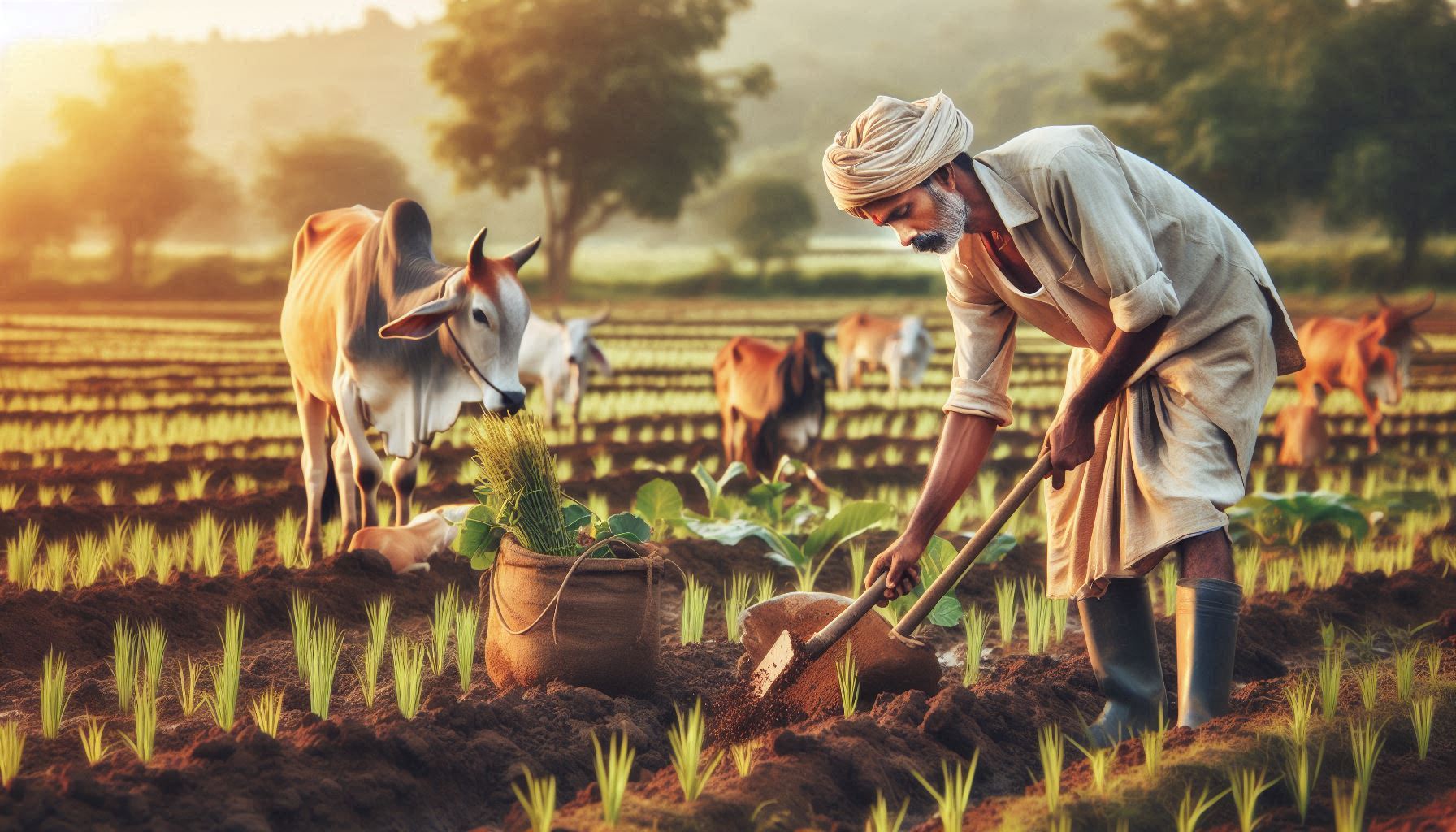
Farmer
a guide to: Career
What is Farmer?
A farmer is someone who works the land to grow crops or raises animals for food and raw materials. Their work encompasses various agricultural activities, from cultivating fruits, vegetables, and grains to raising livestock like cattle, poultry, and fish. Farmers operate at different scales, from small family farms to large commercial enterprises, and may own or lease the land they work. They are essential to society, providing the food and agricultural products necessary for human survival and economic stability.
Why is Farmer Important?
Farmers are essential for human life and economies. They produce our food, drive agricultural economies (especially in rural areas), supply raw materials, and increasingly practice sustainable farming, protecting resources.
- Food Provision:
- They produce the food that sustains human life.
- Economic Drivers:
- Agriculture is a key economic sector, providing employment and income.
- Rural Support:
- Farming sustains rural communities and livelihoods.
- Environmental Role:
- Many farmers practice sustainable agriculture, protecting natural resources.
Education Pathways
Option 01
Option 02
Option 03
Stream

Important Subjects
| # | Subject |
|---|---|
| 1 | Basic Agronomy/Horticulture: Focus on small-plot techniques, crop rotation, and local varieties suitable for limited space. |
| 2 | Poultry Management (Small-Scale): Backyard poultry care, disease prevention, and basic nutrition for chickens, ducks, etc. |
| 3 | Goat Husbandry (Small-Scale): Basic goat care, feeding, breeding, and common health issues in a small herd setting. |
| 4 | Pig Husbandry (Small-Scale): Basic pig care, feeding, housing, and disease prevention in a small piggery. |
| 5 | Basic Aquaculture/Mariculture Principles: Understanding water quality, basic fish/shellfish biology, and small-scale rearing techniques. |
| 6 | Sericulture Basics: Mulberry cultivation, silkworm rearing, and basic silk production methods. |
| 7 | Beekeeping Practices: Hive management, honey extraction, and bee health in a small-scale apiary. |
| 8 | Soil Health and Fertility (Small-Scale): Composting, organic fertilizers, and maintaining soil health in limited spaces. |
| 9 | Pest and Disease Management (Organic/Small-Scale): Natural pest control methods and disease prevention strategies suitable for small farms. |
| 10 | Basic Farm Economics/Marketing (Local Focus): Direct marketing, local markets, and basic financial management for small farm businesses. |
| 11 | Water Conservation (Small-Scale): Efficient irrigation techniques and water harvesting methods for small farms. |
| 12 | Waste Management and Composting: Managing farm waste effectively and utilizing composting for soil improvement. |
Where to study?
Career Progression for a Farmer
Entry-Level: Aspiring Farmer / Farm Worker
Job Title:
- Farm Worker
- Laborer
- Assistant Farmer
Skills Required:
- Farm workers need a basic understanding of crops, soil health, and animal husbandry. The ability to operate farming tools and machinery is essential for daily farm tasks. A strong work ethic, attention to detail, and physical endurance are also critical for successfully performing farm labor.
Education:
- High school education (preferably with biology/agriculture subjects)
Mid-Level: Farm Manager / Supervisor
Job Title:
- Farm Manager
- Livestock Supervisor
- Crop Manager
Skills Required:
- Farm managers must possess an in-depth understanding of crop production, soil management, and animal care. They also need leadership and management skills to effectively supervise workers. Basic financial management skills are essential for handling farm operations, budgeting, and ensuring profitability.
Education:
- Bachelor’s degree in Agriculture, Horticulture, Animal Husbandry, or related fields
Senior-Level: Farm Owner / Agribusiness Entrepreneur
Job Title:
- Farm Owner
- Agricultural Entrepreneur
- Agribusiness Owner
Skills Required:
- Farm owners and agribusiness entrepreneurs require advanced knowledge of crop and livestock production, along with an understanding of market trends. They need strong business management, financial planning, and marketing skills to grow and expand their farming operations. Innovation and adaptability to new farming technologies are important for staying competitive in the industry.
Education:
- Advanced degree in Agricultural Science, Agribusiness, or MBA with a focus on Agribusiness
Advanced-Level: Agricultural Consultant / Agronomy Expert
Job Title:
- Agricultural Consultant
- Farm Advisor
- Agronomy Expert
Skills Required:
- Agricultural consultants and agronomy experts need expertise in agriculture, crop science, soil management, and sustainable farming practices. They must have the ability to advise farmers or agricultural businesses on improving their operations. Strong research and analytical skills are required to assess farming methods and recommend improvements.
Education:
- Master’s degree or Ph.D. in Agriculture, Agronomy, Soil Science, or related fields
Entrepreneurial Role: Agricultural Innovator / Farm Tech Start-Up Founder
Job Title:
- Agricultural Innovator
- Farm Tech Entrepreneur
- Sustainable Farming Consultant
Skills Required:
- Agricultural innovators need an entrepreneurial mindset and a focus on innovation in agricultural technologies or sustainable farming solutions. A solid understanding of trends like farm automation, vertical farming, and precision agriculture is crucial. Strong leadership, business acumen, and networking skills are key to building and growing an agritech startup or business.
Education:
- Advanced degrees in Agricultural Technology, Agribusiness, or Engineering, combined with business management
Expected Salary
Entry-Level
- ₹1.5 – ₹3.0 LPA
Mid-Level
- ₹3.0 – ₹7.0 LPA
Senior-Level
- ₹7.0 – ₹20.0 LPA
Advanced-Level
- ₹8.0 – ₹25.0 LPA
Entrepreneurial Role
- ₹10.0 – ₹50.0 LPA
International
Entry Level
- $20,000 to $40,000 per annum
Mid/Senior Level
- $40,000 to $150,000+ per annum
Sectors Offering
- Crop Production
- Livestock Farming
- Horticulture
- Dairy Farming
- Agri-Business
- Agricultural Equipment and Technology
- Organic Farming
- Forestry and Agroforestry
- Aquaculture (Fish Farming)
- Agricultural Research and Development
- Sustainable Agriculture
- Agricultural Extension Services
Design by Find Right Path