Aquaculture Worker
a guide to: Career
What is Aquaculture Worker?
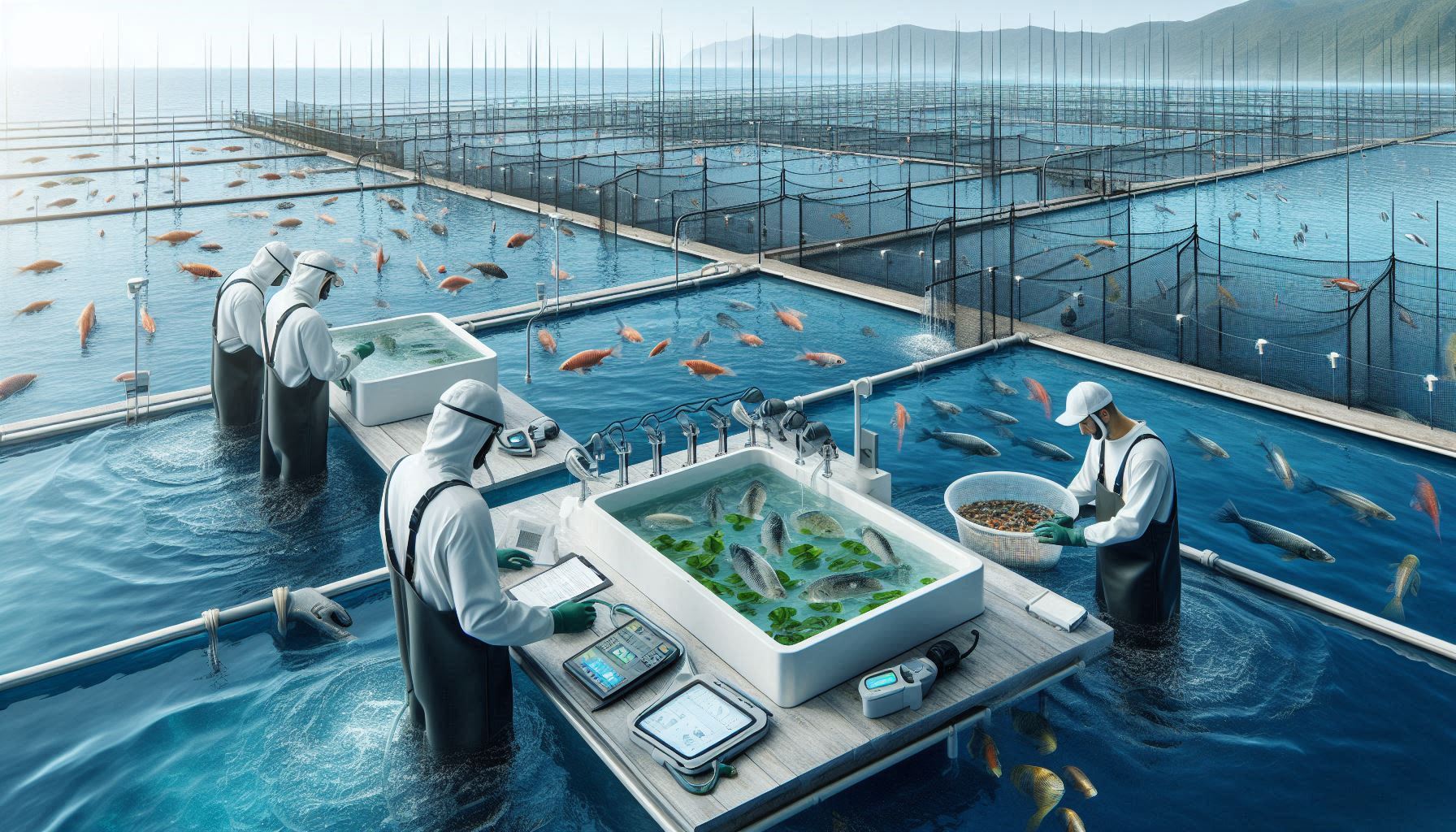
Aquaculture Workers are professionals dedicated to the cultivation and harvesting of aquatic organisms, including fish, shellfish, and algae, within controlled environments ranging from freshwater to marine settings. They manage these species to ensure optimal health and growth, contributing significantly to the aquaculture industry's goals of providing sustainable seafood, supporting biodiversity, and bolstering global food security.
Why is Aquaculture Worker Important?
An Aquaculture Worker ensures sustainable seafood production by maintaining water quality, managing the health of aquatic species, and overseeing breeding and harvesting. They contribute to food security, support the global economy, and minimize environmental impact, helping meet the rising demand for protein-rich food while preserving aquatic habitats.
- Sustainable Seafood Production:
- They help meet the global demand for seafood by managing farmed fish, shellfish, and algae in controlled environments, ensuring a steady and sustainable supply.
- Health Management:
- They monitor the health of aquatic species, administering treatments to prevent diseases, ensuring that farmed seafood is safe for consumption.
- Environmental Protection:
- Aquaculture workers help implement eco-friendly farming practices, minimizing the impact of aquaculture on aquatic ecosystems and preventing overfishing.
- Economic Contribution:
- They support the aquaculture industry, which is a significant source of income and employment, providing affordable seafood to local and international markets.
Education Pathways
Option 01
Option 02
Option 03
Stream

Important Subjects
| # | Subject |
|---|---|
| 1 | Aquatic Biology: Study of the biology of aquatic organisms like fish, shellfish, and algae. |
| 2 | Fish Farming Techniques: Methods of raising fish and other aquatic species in controlled environments. |
| 3 | Water Quality Management: Understanding water chemistry and factors like temperature, oxygen, and pH. |
| 4 | Fish Nutrition: Learning about the dietary needs of aquatic species and proper feeding practices. |
| 5 | Aquaculture System Design and Management: Designing and managing efficient aquaculture systems. |
| 6 | Fish Diseases and Health Management: Prevention, diagnosis, and treatment of diseases in aquatic species. |
| 7 | Breeding and Genetics: Techniques for breeding and improving the genetics of farmed species. |
| 8 | Environmental Impact of Aquaculture: Understanding how aquaculture affects the environment and sustainable practices. |
| 9 | Fish Harvesting and Post-Harvest Handling: Techniques for harvesting and processing fish after production. |
| 10 | Fishery Management and Conservation: Sustainable management of fisheries and conservation of aquatic habitats. |
| 11 | Aquatic Ecology: Study of the interactions between aquatic organisms and their environment. |
| 12 | Business and Marketing of Aquaculture Products: Economic aspects of aquaculture, including production, marketing, and business management. |
Where to study?
Career Progression for an Aquaculture Worker
Entry-Level Aquaculture Worker
Job Title:
- Aquaculture Technician
- Hatchery Worker
- Fish Farm Worker
Skills Required:
- Basic knowledge of aquaculture, ability to perform manual labor, and willingness to work in outdoor and sometimes challenging environments.
Education:
- High school diploma or equivalent, possibly supplemented with a vocational course or some college coursework in marine biology, agriculture, or related fields.
Mid-Level Aquaculture Technician
Job Title:
- Aquaculture Specialist
- Hatchery Manager
- Aquaculture Operations Technician
Skills Required:
- Knowledge of aquatic animal health management, breeding techniques, and equipment management. Strong analytical skills and attention to detail.
Education:
- Associate’s or Bachelor’s degree in aquaculture, marine biology, environmental science, or a related field.
Senior Aquaculture Technician / Supervisor
Job Title:
- Aquaculture Farm Manager
- Senior Hatchery Manager
- Aquaculture Production Supervisor
Skills Required:
- Leadership, project management, advanced knowledge of aquaculture biology, financial management skills, and regulatory knowledge.
Education:
- A Bachelor’s or Master’s degree in aquaculture, marine biology, or a related field, with several years of experience in the industry.
Aquaculture Consultant or Researcher
Job Title:
- Aquaculture Research Scientist
- Aquaculture Consultant
- Environmental Specialist
Skills Required:
- Advanced research skills, critical thinking, problem-solving, and an in-depth understanding of aquaculture systems.
Education:
- A Master's or PhD in aquaculture, marine biology, or environmental sciences, typically with a focus on applied research or policy.
Expected Salary
Entry-Level (0-2 Years)
- ₹1.2 – ₹2.4 LPA
Mid-Level (3-10 Years)
- ₹2.0 – ₹4.8 LPA
Senior-Level (10+ Years)
- ₹3.6 – ₹9.0+ LPA
International
Entry Level
- $20,000 - $35,000 per annum
Mid/Senior Level
- $35,000 – $80,000 per annum
Sectors Offering
- Commercial Aquaculture Farms
- Hatcheries and Breeding Programs
- Seafood Processing and Packaging Companies
- Feed and Equipment Suppliers
- Research Institutions and Universities
- Government Agencies and Regulatory Bodies
- Conservation and Environmental Organizations
- Aquariums and Public Display Facilities
- Marine and Coastal Management
- Aquaculture Technology and Equipment
- Aquaculture Research and Development
- Aquaculture Education and Extension Services
Design by Find Right Path