Agronomists
a guide to: Career
What is Agronomists?
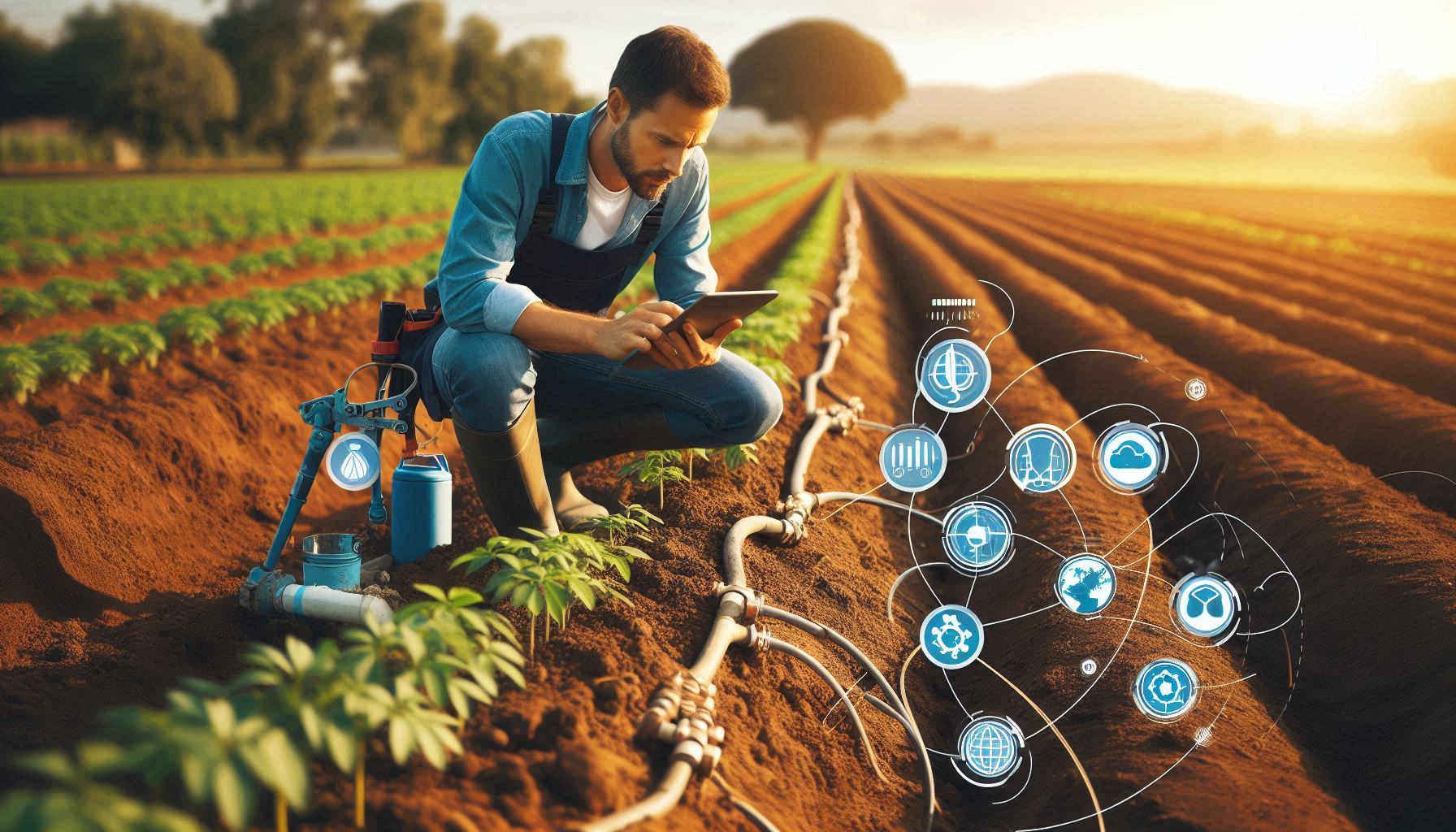
Agronomists are scientists specializing in agronomy, focusing on soil management and crop production. They improve farming efficiency and sustainability through research and advice on soil health, crop yields, pest control, irrigation, and practices that support environmental stewardship. They address food security, climate change, and resource management.
Why is Agronomists Important?
Agronomists specialize in improving agricultural practices to enhance food security, sustainability, and productivity. They focus on optimizing crop yields, soil health, pest management, and resource use to create a more resilient and efficient farming system.
- Promotes Sustainable Farming Practices
- Encourages environmentally friendly methods to minimize agriculture’s ecological impact.
- Helps in Adapting to Climate Change
- Develops strategies to address the challenges of climate change on agriculture.
- Optimizes Resource Use
- Enhances the efficient use of resources like soil, water, and land to ensure long-term agricultural viability.
- Improves Pest Management
- Creates solutions to control pests and diseases, reducing crop loss and ensuring healthier harvests.
Agronomy is essential for increasing agricultural productivity and ensuring food security. It promotes sustainable practices, adapts farming to climate change, and optimizes the use of resources, ultimately helping meet global food demands while protecting natural ecosystems for the future.

Education Pathways
Option 01
Option 03
Option 03
Stream

Important Subjects
| # | Subject |
|---|---|
| 1 | Plant Biology: This is the foundation for understanding plant life, including their structure, function, growth, and reproduction. |
| 2 | Soil Science: This focuses on the study of soil, its properties, classification, and how to manage it for optimal plant growth. |
| 3 | Crop Science: This covers the principles and practices of crop production, including planting, cultivation, harvesting, and storage. |
| 4 | Plant Physiology: This delves into the internal functions of plants, such as photosynthesis, nutrient uptake, and water transport. |
| 5 | Plant Genetics and Breeding: This involves understanding how traits are inherited and how to develop improved crop varieties. |
| 6 | Plant Pathology: This focuses on the study of plant diseases, their causes, and how to manage them. |
| 7 | Entomology: This is the study of insects, particularly those that affect crops, and how to control them. |
| 8 | Weed Science: This focuses on weed biology, ecology, and methods for controlling weeds in crops. |
| 9 | Agricultural Meteorology: This deals with the impact of weather and climate on agriculture and how to use weather information for better crop management. |
| 10 | Statistics: This is essential for analyzing data from field experiments, interpreting research findings, and making informed decisions. |
| 11 | Agricultural Economics: This helps you understand the economic aspects of farming, including farm management, marketing, and agricultural policy. |
| 12 | Environmental Science: This provides knowledge of the environmental impact of agricultural practices and how to promote sustainable agriculture. |
Career Progression for an Agronomist
Graduate (Bachelor's Degree)
Entry-Level Roles:
- Field Agronomist: Conduct field trials and support farmers.
- Sales Agronomist: Sell agricultural products and provide technical advice.
- Technical Assistant: Assist senior agronomists in research and fieldwork.
Career Growth:
- Senior Agronomist: Manage projects, lead teams, and advise clients.
- Crop Consultant: Specialize in crop management and pest control.
- Farm Manager: Oversee farm operations and staff.
Postgraduate (Master's Degree)
Mid-level Positions:
- Research Agronomist: Conduct research on crop improvement and sustainable farming.
- Specialist Agronomist: Focus on areas like soil science or plant breeding.
- Extension Specialist: Provide educational support to farmers.
Career Growth:
- Senior Research Scientist: Lead research teams and develop new crop technologies.
- Project Manager: Manage large-scale agricultural projects.
Ph.D.
Expert Roles:
- University Professor: Teach and mentor students, conduct research.
- Research Scientist: Lead research programs in academia or private companies.
- Senior Consultant: Advise governments or companies on complex agricultural issues.
Leadership Roles:
- Department Head: Lead university departments.
- Research Director: Oversee research programs.
Additional Career Paths
- Precision Agriculture: Work with data analysis and technology in farming.
- Sustainable Agriculture:Focus on organic, conservation, and climate-smart farming.
- International Development: Improve agriculture and food security in developing countries.
Expected Salary
Entry-Level (0-2 Years)
- Graduates: ₹3.0 – ₹5.0 LPA
- Postgraduates: ₹5.0 – ₹7 LPA
Mid-Level (3-8 Years)
- Graduates: ₹6.0 – ₹9.0 LPA
- Postgraduates: ₹8.0 – ₹12.0 LPA
Senior-Level (8+ Years)
- Graduates: ₹10.0 – ₹15.0 LPA
- Postgraduates: ₹12.0 – ₹20.0+ LPA
In the United States:
Average annual salary:
- $32,000 – $80,000 per annum
Hourly rate:
- $25 - $30 per hour.
Sectors Offering
- Agricultural Input Companies
- Farming and Production
- Research and Development
- Government and Public Sector
- Environmental and Sustainability Organizations
Design by Find Right Path